
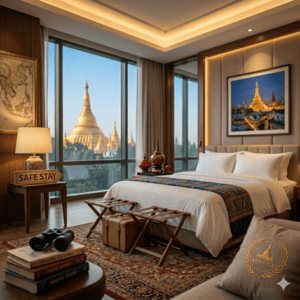

Safe and well-equipped stay
We guarantee you will stay in places that are both secure and fully stocked with everything you need.
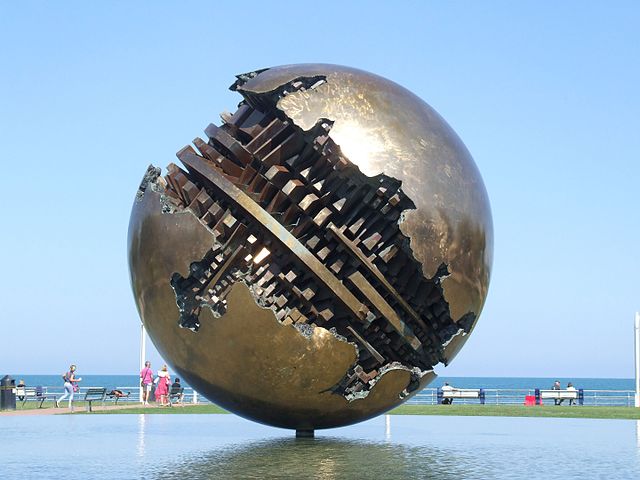
We commit to taking care of you, even if you travel on dates when our booking options are unavailable.
We guarantee you will stay in places that are both secure and fully stocked with everything you need.


Every ride and travel transfer is carefully planned to prioritize your safety and ensure a smooth journey.


Our staff members are trained experts in customer care, focused on respectful and attentive support.

Medieval art in Rome, as in other parts of Europe, spans a significant period of artistic development from the 5th to the 15th century. This era is characterized by a variety of artistic styles and forms that evolved over the centuries. Following the conversion of Emperor Constantine to Christianity, Early Christian art emerged. Basilicas, such as St. Peter's Basilica, were constructed with a focus on large, open spaces, and simple geometric forms. Mosaics became a prominent feature in church decoration, depicting biblical scenes and religious symbols. Rome was influenced by Byzantine art, especially during the reign of Emperor Justinian. Byzantine mosaics and icons influenced the decoration of churches in Rome, emphasizing religious symbolism and the use of gold backgrounds. Romanesque art featured rounded arches, thick walls, and a focus on religious themes. Basilicas and churches, such as Santa Maria in Cosmedin, showcased Romanesque architectural elements. Sculptures and frescoes often adorned the interiors, depicting biblical narratives. Gothic art and architecture gradually replaced Romanesque styles. Gothic cathedrals, like Santa Maria sopra Minerva, displayed pointed arches, ribbed vaults, and elaborate stained glass windows. Sculpture evolved, with an emphasis on naturalistic forms and detailed ornamentation. Frescoes were a common medium for depicting religious narratives on the walls of churches. Artists depicted scenes from the Bible, the lives of saints, and Last Judgment themes. Manuscript illumination, especially during the Carolingian Renaissance, produced beautifully decorated manuscripts with intricate illustrations and calligraphy. While much medieval art in Rome was focused on religious themes, some secular works emerged, including frescoes in palaces and civic buildings. Rome's churches, basilicas, and religious institutions played a crucial role in the development and preservation of medieval art. Many examples of medieval art can still be seen in churches and museums throughout Rome, providing insight into the cultural and religious life of the city during this period.
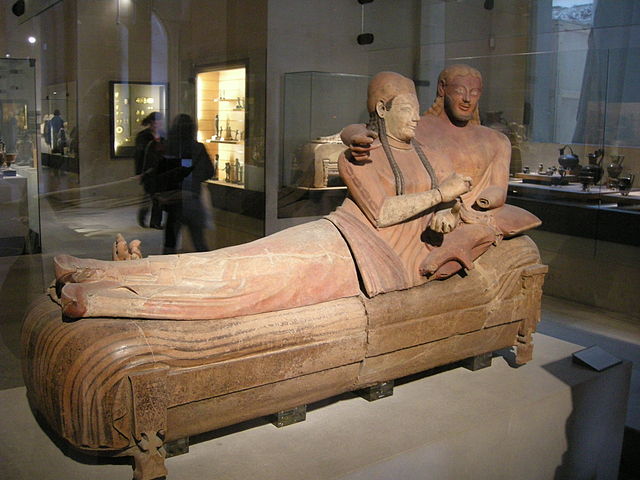
medieval art is located in rome,rome
| City | Distance |
|---|---|
Arezzoto medieval art distance | 0.7 km |
Cortonato medieval art distance | 23.2 km |
Montevarchito medieval art distance | 25.9 km |
Città di Castelloto medieval art distance | 28.4 km |
San Giovanni Valdarnoto medieval art distance | 29.9 km |
Sienato medieval art distance | 47.1 km |
Pontassieveto medieval art distance | 49.7 km |
If you are looking to know more information about medieval art, our team at rome will assist you personally through the below dedicated number
medieval art, rome, rome
Talk to our dedicated team for medieval art contact number : +91 9842067265